Kids Drive an Hour to Wrestle Here
BY BRIAN CARSON
LEWISTOWN – The Juniata River has run through Mifflin County longer than anyone can remember, cutting through the ridges unhurried and certain of where it’s going.
Keith Altiery moves a little like that river.
He’s been moving in one direction for six years now, steadily, with little fanfare, building a wrestling program in Lewistown out of volunteer hours, community donations, and a stubborn belief that the kids in this valley are as good as anyone. He doesn’t hope it. He knows it. He’s watched them prove it on the mat, tournament after tournament, against kids from bigger schools and better-funded programs, and the scoreboard kept telling him the same thing.
Keep moving. You’re going somewhere.
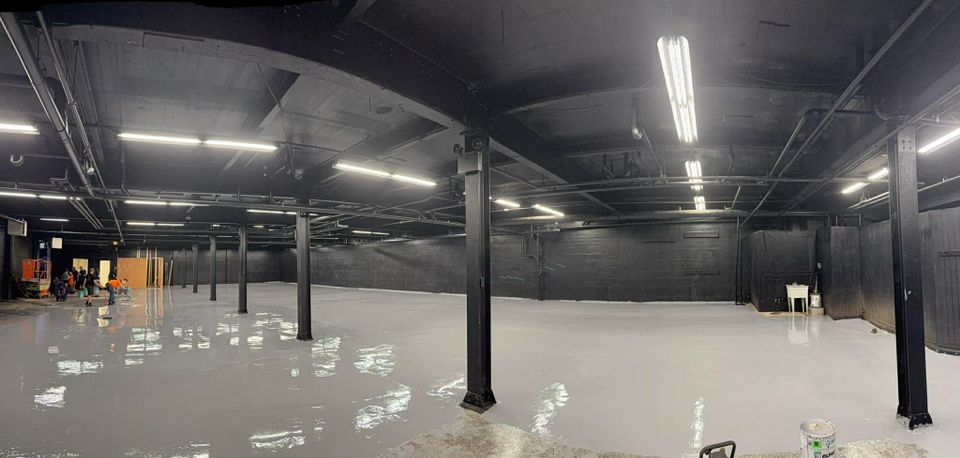
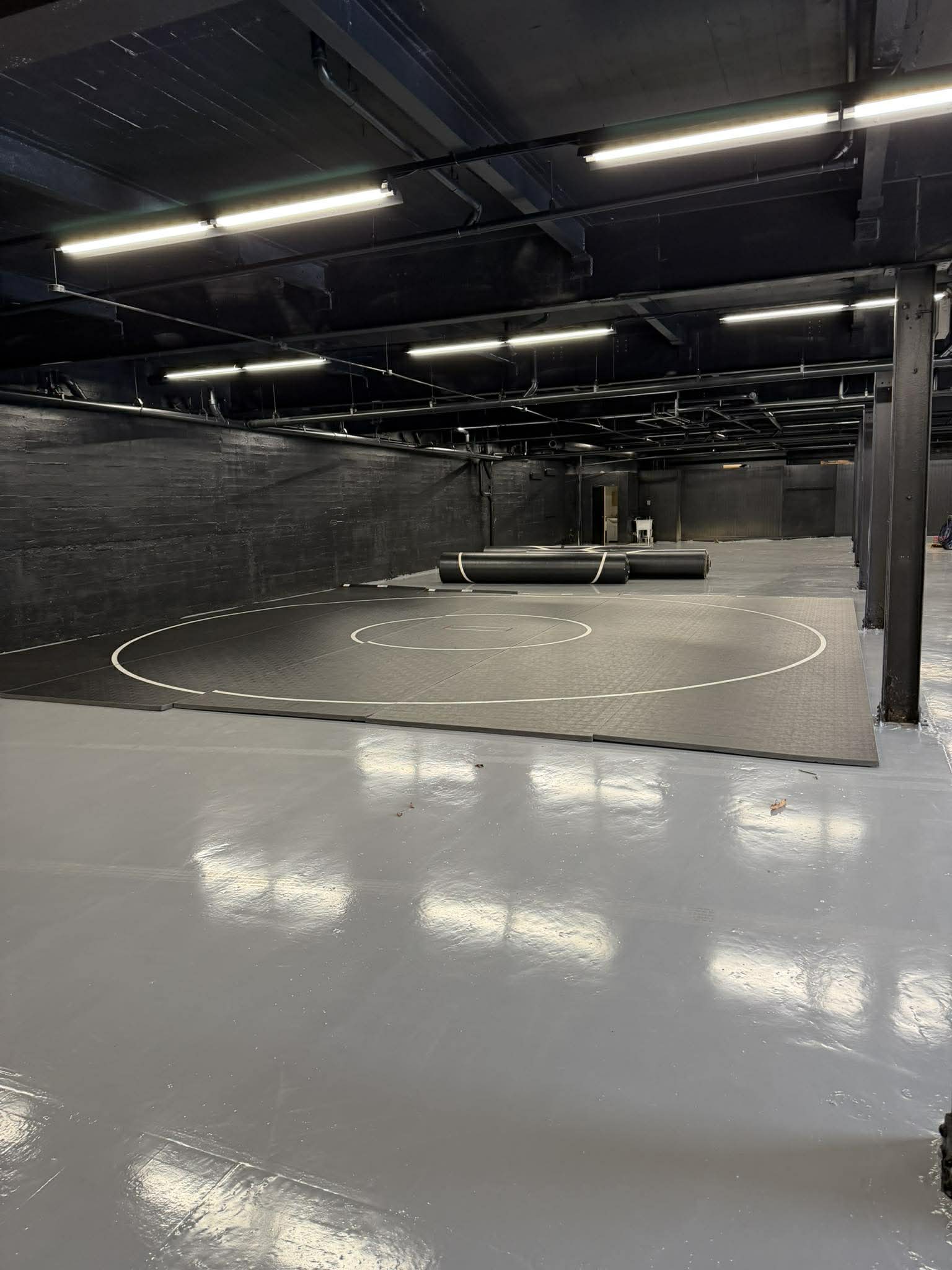
This summer, that somewhere gets a roof and four full mats and a weight room stocked with a tractor-trailer’s worth of equipment. The Mifflin County Wrestling Club is opening a 10,000-square-foot regional training center behind the Dialysis Center, a facility built almost entirely on belief, because that’s mostly what they had, and the plan is simple: open the doors every afternoon, keep the drop-in fee at five dollars, let the wrestling do the rest.
The building is proof. The kids were always the point.
It didn’t start this way. When the current board took over the program around 2019, they were running practices out of the intermediate school with roughly 300 people crammed into a gym, about 80 of them actually wrestling. The noise was constant; the space was impossible, and most families who tried it once didn’t come back. Turnover ran around 90 percent. Then COVID shut the schools to outside organizations, and the Club lost its home, which turned out to be a blessing more than anything.
Losing the space forced the question. If they were going to keep doing this, the Club needed a place of its own.
Around that same time, a man named Donald Chapman made a significant donation to the program. It was the gift that changed the math, turning a conversation about what’s possible into one about when. The Club found a facility, moved in, and started over with a clearer idea of what they were trying to build. The current space is less than half the size of the new one, and they’ve already outgrown it.
What Altiery and his coaches have built since then is something that took on a shape nobody quite planned. They started advertising open practices to wrestlers from outside the county, charging a small drop-in fee, and families started showing up. Then more families. Then families drove 45 minutes. Then families driving over an hour, multiple times a week, because their kids had wrestled Mifflin County kids at tournaments, kept losing, and finally started asking questions.
"As a parent to a wrestler, you're constantly trying to find a mat room and a club that you can grow in," Altiery says. "We're offering that to anyone."
The answer those families found was structured, high-paced practice run by a coaching staff that’s been together for five years or more, all of them volunteers, all of them background-checked, none of them getting paid, except the satisfaction of watching kids get better. The practices are hard enough that you can’t fake your way through them. Wrestling has a way of sorting that out quickly.
"You really can't fake it," Altiery says. "The practices are hard enough that if you don't want to be there, that becomes pretty obvious pretty fast."
Altiery talks about the program’s philosophy in terms of threes. Every wrestler needs three kinds of partners to grow, he says. Someone at their level, someone better than them, and someone they’re better than. "What you're learning has to work on all three of those types of partners in order to grow," he says. The bigger the room, the better the odds that every kid in it has all three available on any given night. That’s part of why the new facility matters. More space means more kids, which means better math for everyone.
The coaches also encourage their members to train at other clubs at least one night a week and bring back what they learn. It’s not unusual to see a kid stop practice, call everyone to the center of the mat, and demonstrate a move they picked up somewhere else. The kids are teaching each other. The coaches designed it that way.
Currently, about 30 to 40 percent of the Club’s wrestlers come from outside Mifflin County. Some of them have thought of it as their Club.
A handful placed at the state tournament in their first season after training there. Last year, the program sent three to five kids into the junior high pipeline. This year, they’re sending around 15, including five state champions and multiple-time state place winners, with roughly 75 percent having qualified for states at least once.
"There's so much hidden talent living within Mifflin County," Altiery says. "It's incredible the number of volunteers who have come forward to be part of it."
The new facility is being built to hold 100 to 150 kids at once without feeling like chaos. There’ll be enough mat space to run two or three different skill levels at once, something the current building doesn’t allow. The weight room is already being stocked. Members can come early and lift before practice or stay late and lift after. The goal is to have the doors open from 3:30 until around 8 every night, which means a kid can get a full practice in and still be home for dinner.
Altiery’s been following wrestling in Central Pennsylvania for a long time, long enough to remember the individuals this county has produced over the years, the ones who could compete with anyone in the state when given the chance. He’d like to produce more of those. He’d also like something bigger. He thinks Mifflin County can contend for a PIAA state team title. He says it like someone who’s thought about it carefully and decided he means it.
But when he talks about what the program is really for, he comes back to something simpler than trophies. "Our number one goal is to make these young individuals into better men and women when they grow up," he says. "By making that the primary goal, the wrestling comes automatically."
In six years of running practices, they’ve never had to remove a kid from the room for bad behavior. The sport handles that on its own.
None of it happens, though, without the community behind it. The Club has been fundraising tirelessly, and it's not done. They’ve got enough mats to cover the floor of the new facility, but need at least two replacements to keep the space safe for the kids using it every night.
They’re running a banner drive, with sponsorships starting at $1,000 and a $350 annual renewal, putting local businesses and supporters on the walls of a building that’s going to matter to this county for a long time. Every dollar raised goes directly back into keeping the program accessible, keeping the drop-in fees low, keeping the doors open for the kid who shows up with five dollars and a willingness to work.
That last part is important to Altiery. The whole model depends on the community deciding its worth investing in, the same way the community built it in the first place. Chapman’s early donation started something. The volunteers who’ve shown up week after week have kept it going. What comes next is up to whoever’s been watching these kids compete and wondering how they keep producing wrestlers that nobody can figure out.
"Big things are happening with Mifflin County wrestling," Altiery says, "and now is the time to get on board."
That’s been the whole idea from the beginning. Open the doors. Keep the price low. Let the kids in the valley show you what they’ve got.
The river already knew the answer. Altiery’s just been following it.


Member discussion